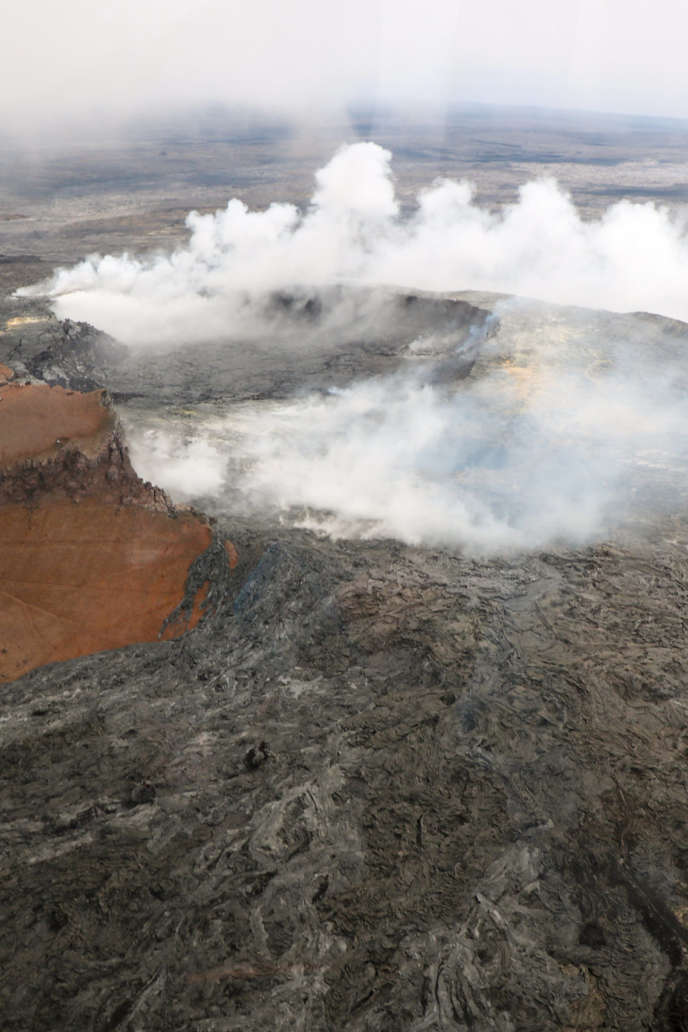


A journey from Honolulu to Hawaii Volcanoes National Park offers an unparalleled opportunity to witness the raw power of nature. Located on the Big Island, this UNESCO World Heritage Site encompasses over 330,000 acres, featuring two of the world’s most active volcanoes: Kilauea and Mauna Loa. This guide provides essential information to plan your visit.
Getting There from Honolulu
The most efficient way to reach Hawai‘i Volcanoes National Park from Honolulu is by air. Inter-island flights are frequent and typically last under an hour.
- Airlines: Hawaiian Airlines and Southwest Airlines offer multiple daily flights from Honolulu (HNL) to Hilo (ITO) and Kona (KOA) airports.
- Hilo vs. Kona: Hilo International Airport is approximately 45 minutes from the park, making it the more convenient option. Kona International Airport, while farther away at about 2.5 hours away, provides an alternative route with scenic drives.
Upon arrival, renting a car is advisable for flexibility and ease of access to the park and surrounding areas.
Exploring the Park
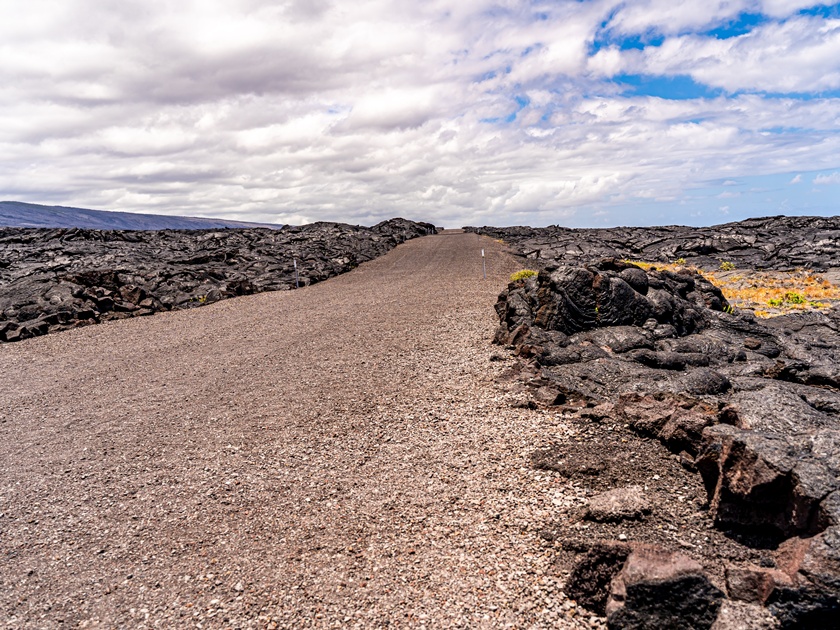
Hawaii Volcanoes National Park is open 24 hours a day, allowing visitors to experience its wonders at their own pace.
Key Attractions:
- Kilauea Visitor Center: Start here for maps, current conditions, and ranger insights. Note that the main center is undergoing renovations; a temporary facility is available at Kīlauea Military Camp.
- Crater Rim Drive: This scenic route offers views of Kīlauea Caldera and access to various overlooks.
- Devastation Trail: A short, paved trail through a forest devastated by the 1959 eruption, showcasing the park’s volcanic history.
- Chain of Craters Road: A 19-mile drive descending to the coast, ending at the Hōlei Sea Arch, a natural lava formation sculpted by the ocean.
Hiking Opportunities:
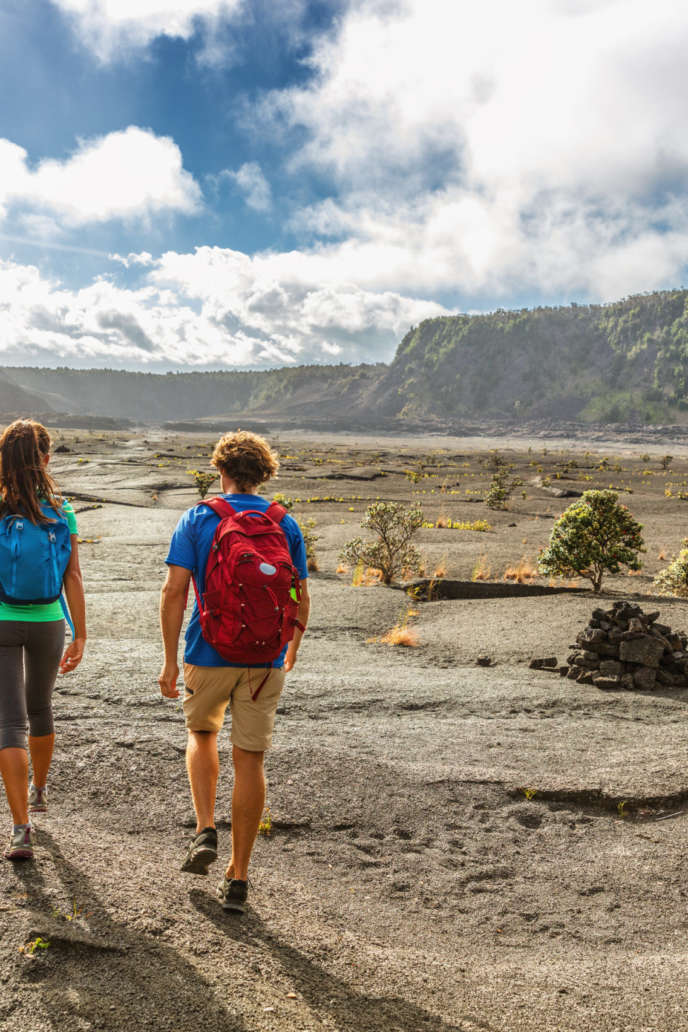
- Kilauea Iki Trail: A moderately challenging hike across a solidified lava lake, offering a unique perspective of the volcanic landscape.
- Thurston Lava Tube: Walk through a natural tunnel formed by flowing lava, surrounded by lush rainforest.
Lava Viewing:
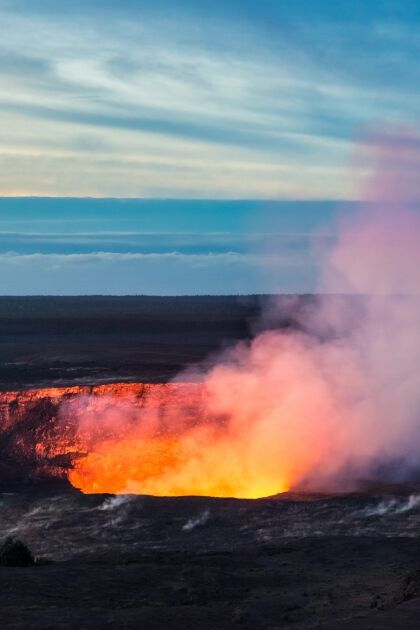
Lava activity varies; check current conditions before your visit. Popular viewing spots include Kīlauea Overlook and Keanakāko‘i Crater Viewpoint, especially after dark when the glow is most visible.
Tips for a Safe and Respectful Visit

- Stay Informed: Conditions can change rapidly. Consult the National Park Service website or visitor center for updates.
- Safety First: Stay on marked trails, keep a safe distance from volcanic features, and be cautious of unstable ground.
- Prepare accordingly: Bring water, wear sturdy footwear, and dress in layers to accommodate varying weather conditions.
- Respect the Land: The park holds cultural significance. Avoid disturbing natural features and adhere to guidelines to honor Native Hawaiian traditions.
Full Send to the Big Island: Accomplished
Visiting Hawaii Volcanoes National Park from Honolulu is a journey into the heart of Hawaii’s dynamic geology and rich cultural heritage. With careful planning and respect for the natural environment, travelers can experience the awe-inspiring beauty of active volcanoes, diverse ecosystems, and the enduring spirit of the islands.