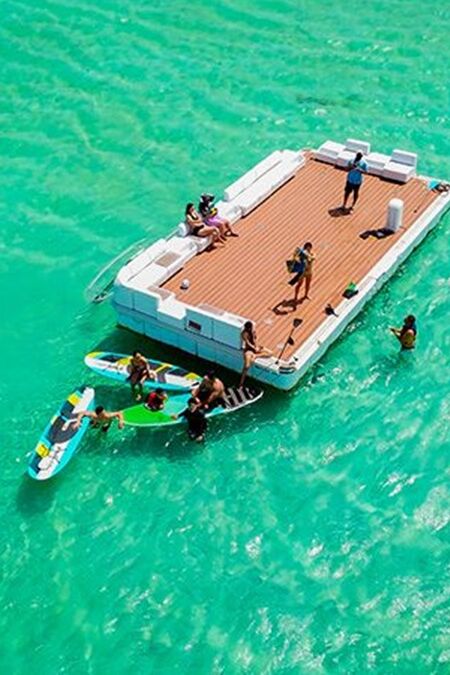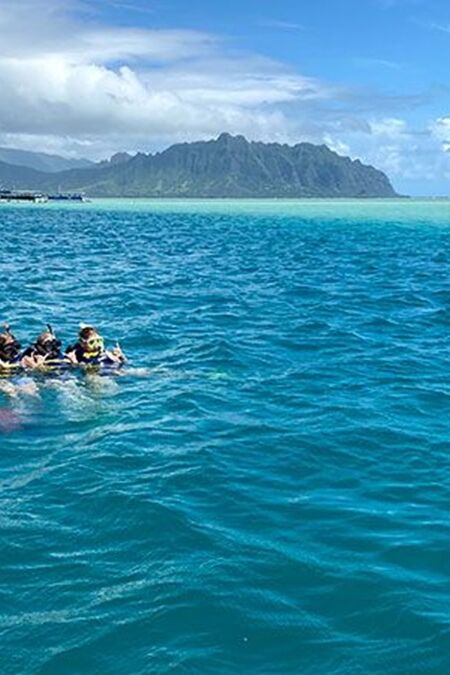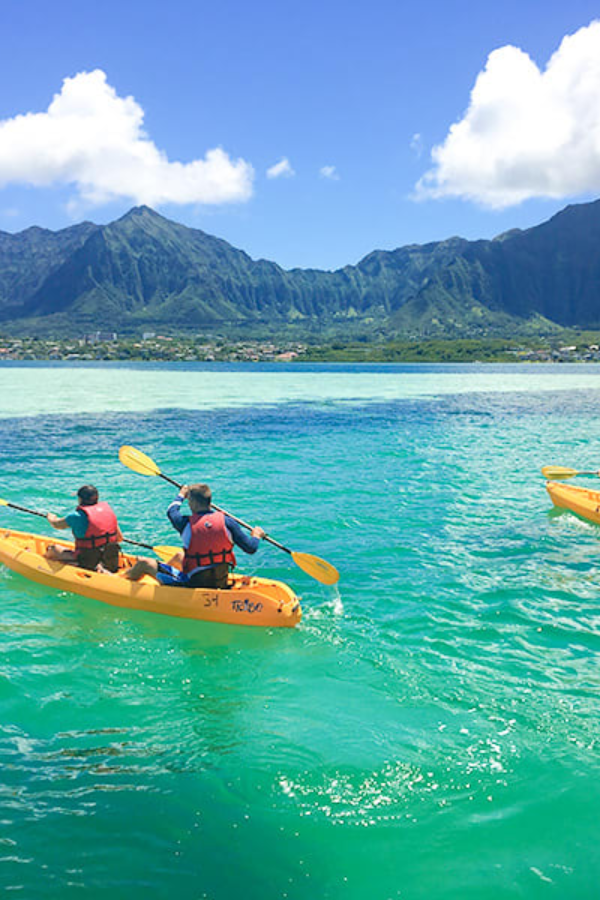


The Kaneohe Sandbar, also known as “Ahu o Laka,” is one of Oahu’s most unique natural attractions. Located in Kaneohe Bay, this submerged sand island emerges during low tide and offers breathtaking views, shallow swimming areas, and a chance to snorkel in turquoise waters. But while the sandbar is a must-visit destination, it’s important to recognize the potential risks. This Kaneohe Sandbar safety guide covers everything you need to know about currents, marine life, and general Oahu water safety so you can enjoy your trip responsibly.
Understanding Kaneohe Bay Safety Conditions
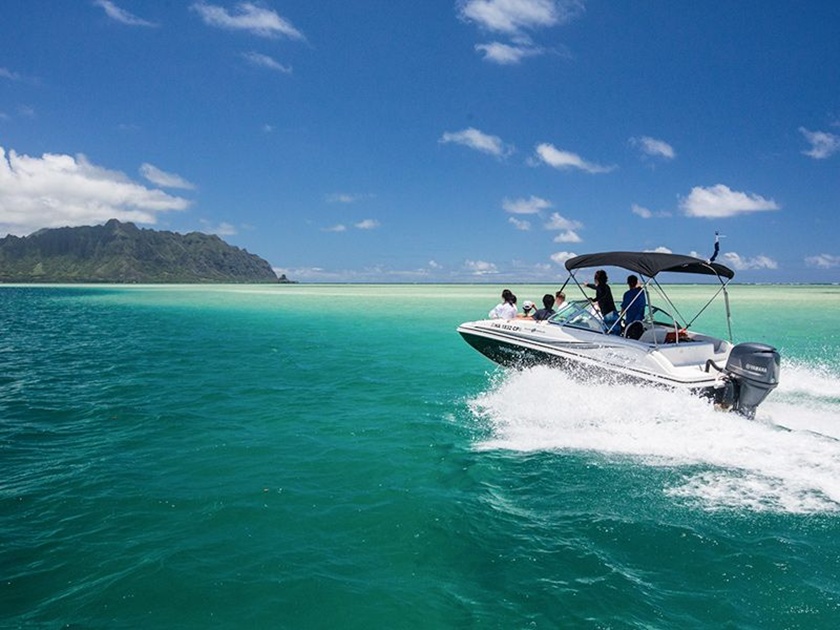
Kaneohe Bay is one of Oahu’s largest naturally sheltered bays, but conditions can change quickly. Shifting tides, boat traffic, and variable weather all play a role in visitor safety. Before heading out:
- Check tide charts to know whether you’ll encounter shallow walkable sand or deeper water.
- Monitor weather forecasts, especially wind advisories that can create choppy conditions.
- Plan your visit with local expertise, such as a tour operator that monitors conditions daily.
If you’re new to Hawaii’s waters, consider booking a beginner-friendly Kaneohe Sandbar tour with professional guidance.
Currents & Tides: What Visitors Should Know
Even though the bay is relatively calm compared to the open ocean, currents can still pose a risk.
- Low tide exposes more of the sandbar, making it easier to wade and walk.
- High tide submerges more of the sandbar, reducing shallow wading areas. While strong tidal currents are less of a concern here than in open-ocean settings, deeper water and boat traffic at high tide still merit caution—especially for weak swimmers
- Stay close to your boat or tour group and avoid drifting into boating channels.
Pro Tip: Always wear a life jacket or bring a floatation device, especially if you’re not a strong swimmer.
Marine Life Precautions
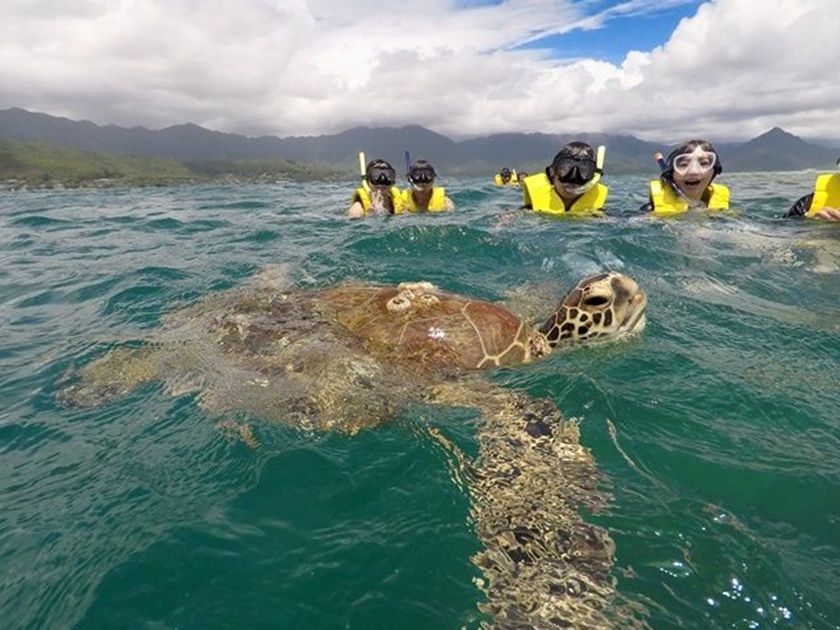
The Kaneohe Sandbar is home to diverse marine life, making snorkeling and wildlife encounters unforgettable. But safety and respect go hand in hand.
- Sea turtles are common—observe them from a distance.
- Stingrays and reef fish may be present—avoid stepping into areas with coral or seagrass.
- Jellyfish can occasionally drift in; a sting kit or vinegar rinse can help treat mild stings.
Never touch or feed marine animals. It’s harmful to them and could be dangerous for you.
General Water Safety Guidelines
To make the most of your Kaneohe Sandbar experience, follow these best practices:
- Protect yourself from the sun with reef-safe sunscreen, hats, and hydration.
- Avoid alcohol before swimming or snorkeling—many accidents occur when balance and judgment are impaired.
- Snorkel cautiously, especially if you’re a beginner. Stick to calm areas near the sandbar.
- Go with a guide—licensed operators provide safety gear and trained staff who know the area.
Emergency Procedures & What To Do If Something Goes Wrong
Being prepared makes a huge difference in an emergency.
- Find yourself drifting away? Stay calm and swim or wade gently toward the nearest shallow area or your boat rather than trying to fight broad movement.
- Jellyfish sting or coral cut? Rinse with vinegar or saltwater, avoid fresh water, and seek medical attention if reactions worsen.
- Emergency contacts: Dial 911 or contact the U.S. Coast Guard if you’re offshore and need urgent help.
- Nearest medical centers: Kaneohe has several clinics and hospitals within a short drive of the bay.
Choosing Safe Tours & Operators
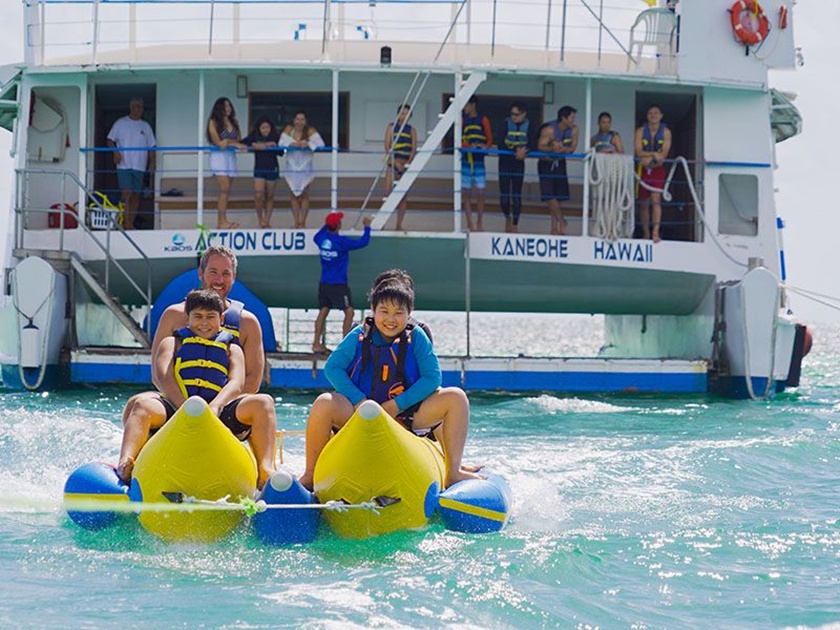
The safest way to visit Kaneohe Sandbar is with a licensed tour operator. Benefits include:
- Safety-certified crew trained in first aid and CPR.
- All equipment provided (life vests, snorkels, floatation gear).
- Guided experiences that keep you within safe areas.
- Local insights on tides, marine life, and weather.
Enjoy Kaneohe Sandbar Responsibly
The Kaneohe Sandbar is a dream destination for swimming, snorkeling, and soaking up Oahu’s natural beauty. By understanding currents, respecting marine life, and following basic water safety guidelines, you can ensure a fun and safe adventure. Safety always comes first. With the right precautions—and perhaps a guided tour—you’ll enjoy Kaneohe Bay to the fullest.